


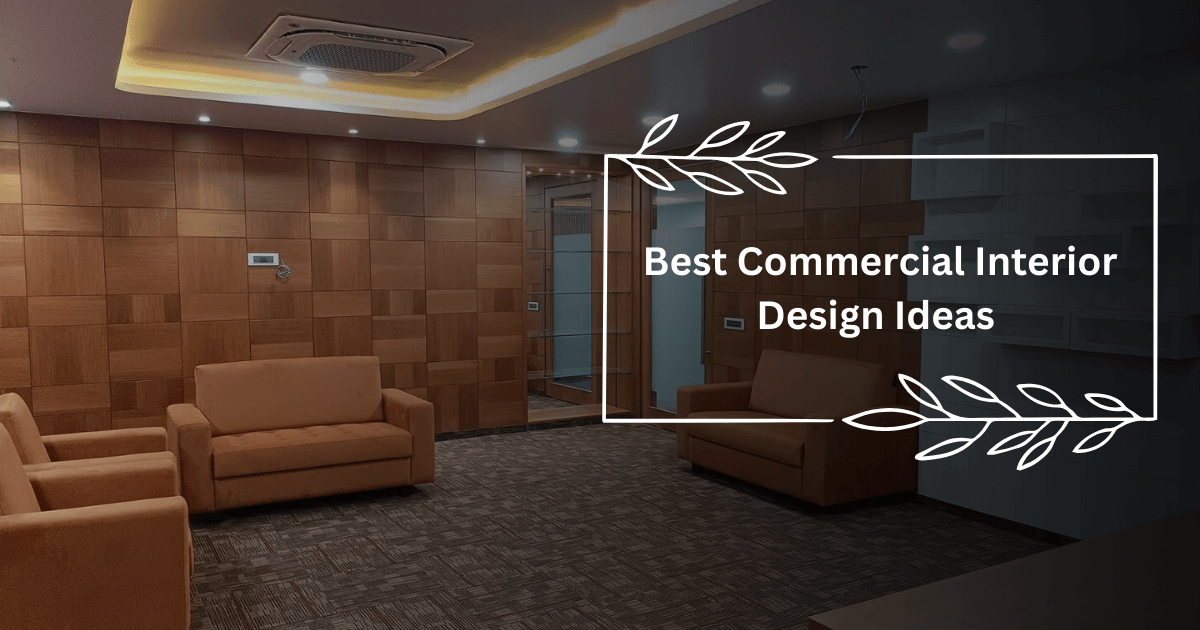
In order to promote productivity and leave a lasting impression on clients and visitors in the fast-paced corporate environment of today, it is imperative to create a visually appealing and efficient workspace. A commercial space’s overall ambiance and efficiency can be greatly improved by striking the ideal balance between practicality and beauty. There are a lot of creative ways to approach an aspect of commercial interior design, from the thoughtful placement of lighting to the deft integration of contemporary design features. This post explores the top 5 concepts for commercial interior designers that are revolutionizing both retail and workplace settings. These design ideas will motivate you to create a space that not only looks good but also fosters creativity, whether you’re planning a total office makeover or just want to update your current setup. Join us as we explore the cutting-edge trends and timeless strategies that are making waves in the commercial interior design industry.
1. Spaces that Can Change: Versatile Workspaces
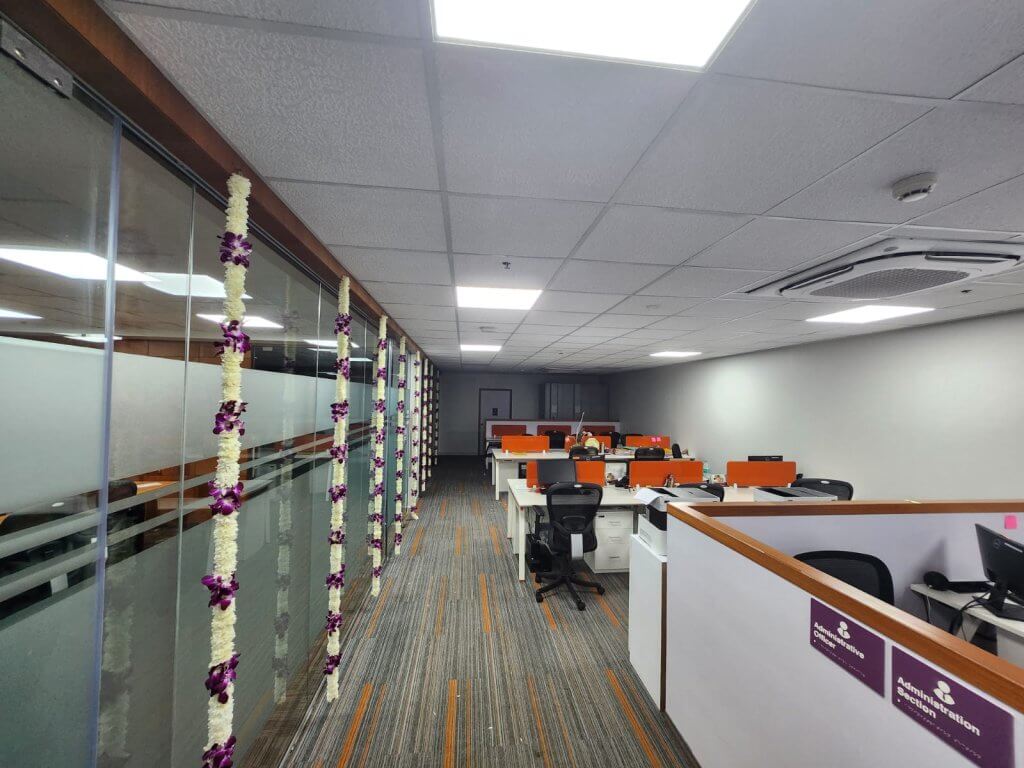
When it comes to ideas for business interior design, the layouts should be adaptable. in the culture of the next century. The secret is to use ideal planning and allow function to be redefined in accordance with requirements. In commercial interior design, adaptable furniture arrangements are the way to go.
For example:- you might have movable walls or furniture that can be changed around easily. This way, you can have a meeting one minute and then quickly change the space for a group project or training session the next.
When it comes to ideas for business interior design, the layouts should be adaptable. in the culture of the next century. The secret is to use ideal planning and allow function to be redefined in accordance with requirements. In commercial interior design, adaptable furniture arrangements are the way to go.
For example:- you might have movable walls or furniture that can be changed around easily. This way, you can have a meeting one minute and then quickly change the space for a group project or training session the next.
Having these flexible spaces helps teams work better together and makes it easier to adjust to different tasks throughout the day. It also saves space and makes the office more efficient. Imagine being able to transform your workspace to suit whatever you need—whether it’s a quiet area for focused work, a collaborative space for brainstorming, or a presentation room for clients. This flexibility makes the design of an office a more dynamic and productive place to be. It’s all about making your space work smarter for you and your team!
2. Integrating Nature: Exploring Biophilic Design
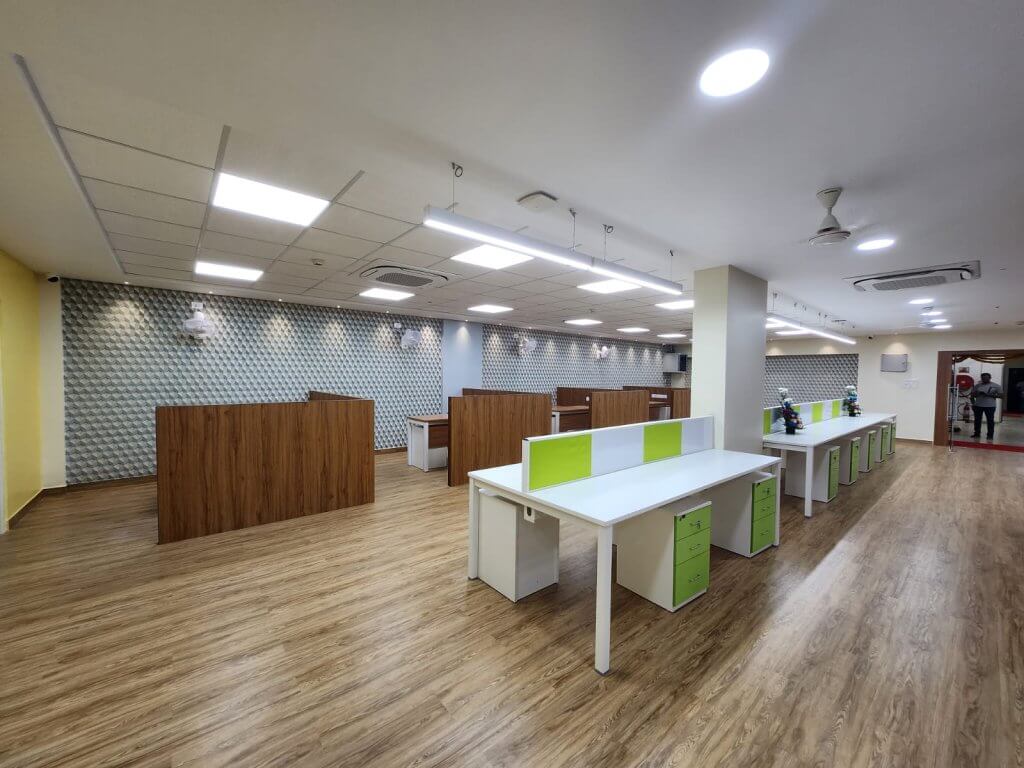
Including natural elements in your business area is a tried-and-true way to increase productivity and well-being. Natural materials (wood, stone), plants, and natural light are all incorporated into biophilic design to produce a calming and energizing atmosphere. Imagine breakout areas flooded with sunlight from large windows or a greeting area with a cascading green wall. These additions enhance indoor air quality in addition to improving appearance.
These elements in the completed interior designs not only enhance the visual appeal of your home but also contribute to a healthier and more calming environment. Biophilic existing design style aims to create spaces that foster a sense of well-being, reduce stress, and increase productivity by reconnecting occupants with nature, even within the confines of urban living.
For Example:- In a modern office, biophilic design was used to bring a touch of nature indoors. Large windows let in plenty of natural light, making the space feel open and inviting. Potted plants and greenery were placed strategically throughout, adding a splash of color and freshness. The walls were adorned with nature-inspired artwork and murals depicting serene landscapes, creating a calming atmosphere. Employees enjoyed breakout areas with wooden furniture and stone accents, providing a connection to the outdoors. This biophilic approach not only made the office more visually appealing but also contributed to a healthier and more enjoyable work environment, boosting morale and productivity among staff.
3. Reflecting Brand Identity Through Design
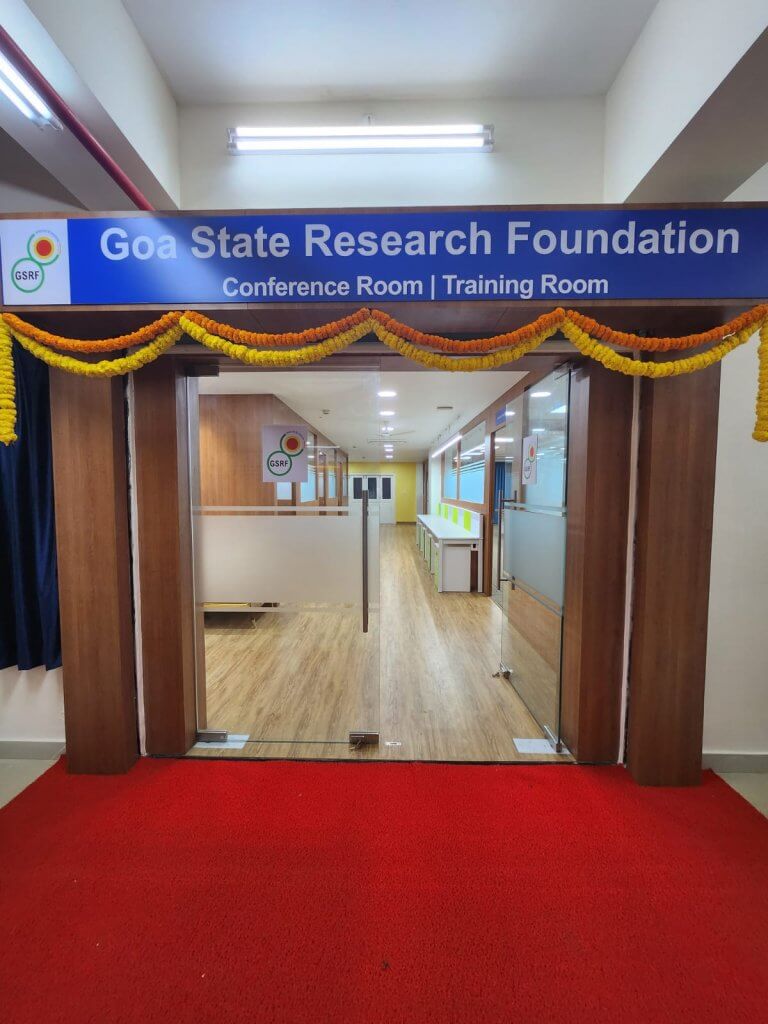
Reflecting brand identity through commercial office space requires strategic commercial design that resonates with the company’s ethos. In today’s competitive market, well-designed office interiors are essential. Top commercial interior design firms focus on specifics like the partition of spaces and overall design style to create a commercial office environment that aligns with brand values. Interior space planning should be at the core of any design project, aiming to create an inviting and functional well-designed commercial space that inspires employees and impresses clients alike.
Whether it’s a retail store or a commercial office, interior design firms need to follow the 5 rules for successful commercial office design. These rules include understanding the brand, utilizing modern design trends, optimizing space usage, ensuring comfort, and incorporating efficient design solutions. The types of commercial interior design vary, but the fundamental goal remains to reflect and enhance the brand identity through thoughtful commercial interior design concepts.
The design process in the world of commercial interior design involves creating spaces that are not only functional but also visually compelling. Top commercial interior designers know the importance of integrating brand colors, logos, and values into the interior design of a commercial office space. By prioritizing the rules for successful commercial interiors, you can transform your space into a dynamic environment that stands out in today’s crowded market.
For Example:- A local coffee shop wanted to showcase its commitment to community and sustainability through its interior design. The walls were adorned with rustic wooden panels and green accents, symbolizing their use of locally sourced materials and organic ingredients. The brand’s logo, featuring a stylized coffee cup, was subtly incorporated into the decor through custom-made artwork and signage. Comfortable seating areas with cozy armchairs and communal tables encouraged a welcoming atmosphere for customers to gather and connect. The use of warm lighting and earthy tones further enhanced the cafe’s identity as a cozy and eco-conscious neighborhood hangout. This thoughtful design approach not only reflected the brand’s values but also created a memorable experience for patrons, reinforcing the coffee shop’s unique identity in a competitive market.
4. Using Technology to Enhance Communication and Collaboration in the Workplace
Using technology to enhance communication and collaboration in the workplace has revolutionized the design of a commercial space. In the world of interior design, commercial interior designers often prioritize creating modern office environments that foster interaction and productivity. The integration of design elements such as ergonomic furniture and advanced communication tools ensures that employees can work comfortably and efficiently. This trend is particularly evident in a commercial interior design project where the focus is on blending aesthetics with functionality.
In designing commercial spaces, commercial interior designers often consider the company’s identity and values, incorporating them into the design scheme. The use of cutting-edge technology not only supports operational needs but also contributes to creating an aesthetically pleasing environment. A well-thought-out corporate office layout, in line with the latest trends, plays a crucial role in leaving a positive impression on clients and employees alike, as first impressions matter.
When undertaking a commercial interior design project, leveraging digital tools enables designers to seamlessly integrate various design elements. This approach can be highly effective in large commercial building projects where coordination and collaboration among team members are critical. Engaging design services that are knowledgeable about the latest technological advancements ensures that the final outcome is both innovative and practical.
As the field of commercial interior design is undergoing rapid evolution, staying updated with commercial design ideas and innovations becomes an essential consideration in commercial interior design. By marrying technology with the principles of aesthetics and functionality, the creation of dynamic and efficient interior design space becomes achievable, setting new standards in workplace design.
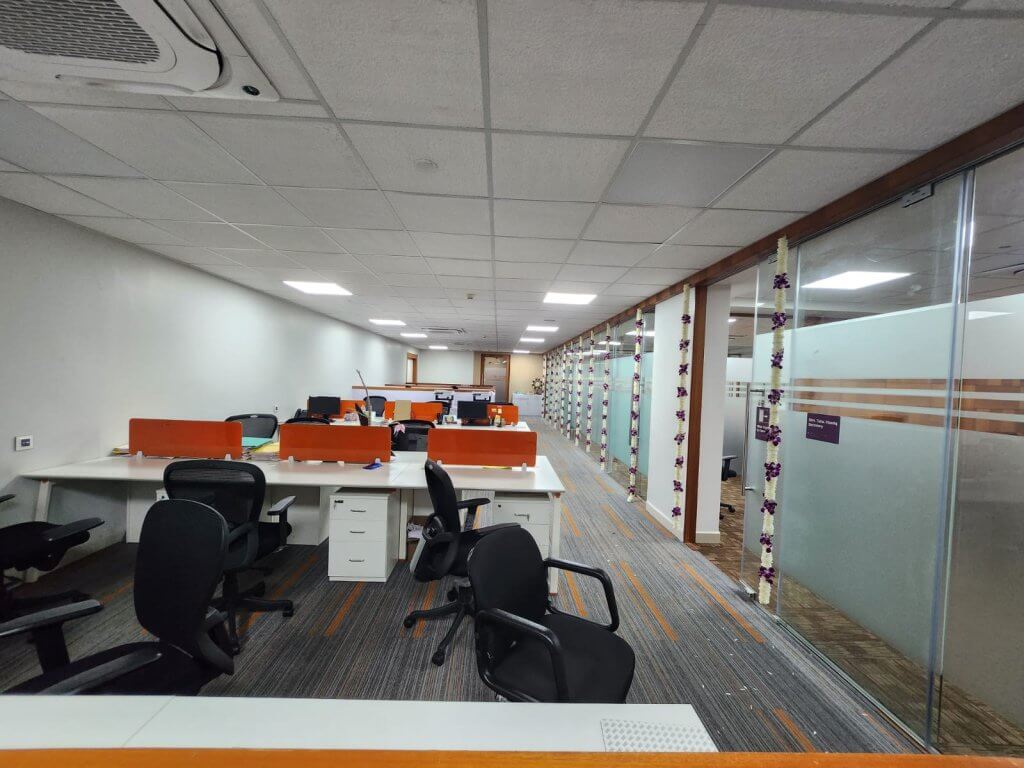
5. Embracing Eco-Friendly Design: A Commitment to Environmental Responsibility
Embracing Eco-Friendly Design: A Commitment to Environmental Responsibility is reshaping how we view commercial interior design. This creative method is redefining interior design by incorporating sustainable design principles into the layout of a store or office. Sustainable design and creativity are frequently combined in eco-friendly design to ensure that existing design elements complement ecologically conscious ones. In addition to being aesthetically pleasing, the finished interior design shows a dedication to minimizing environmental impact.
Eco-friendly materials and techniques are becoming increasingly important in successful commercial design, as the commercial interior design sector undergoes a profound transformation. This change shows that design is more than just aesthetics; it’s about implementing values that encourage environmental responsibility. We can create exceptional commercial design that endures over time by implementing interior design strategies for businesses that minimize carbon footprints. Even the smallest details can have design applied to them so that every aspect of the finished interior contributes to a sustainable future.
The future of commercial interiors lies in the realm of creative design thinking where design comes from a place of environmental consciousness. In every retail space and corporate setting, eco-friendly design may be the foundation of truly successful commercial environments. Creating an interior that values sustainability doesn’t have to clash with elegance; instead, it enhances the overall impact. This profound shift in design ethos is helping to pave the way for a more responsible and beautiful world.
For Example:- A local restaurant embraced eco-friendly design by using recycled materials for its interior decor. Tables were crafted from reclaimed wood, giving them a rustic charm while reducing environmental impact. Energy-efficient LED lighting was installed throughout the dining area, lowering electricity consumption. The restaurant also minimized waste by using biodegradable utensils and packaging made from compostable materials. By prioritizing sustainability, the restaurant not only created a cozy and inviting atmosphere but also demonstrated its dedication to protecting the environment. This commitment to eco-friendly design resonated with environmentally conscious customers, fostering a loyal patron base and setting an example in the community.
Conclusion
In conclusion, the realm of commercial interior design is evolving towards a future that embraces innovation, functionality, and sustainability. From versatile workspaces that adapt to diverse needs to biophilic designs that reconnect us with nature, each concept discussed here represents a commitment to creating environments that enhance productivity and well-being. Reflecting brand identity through thoughtful design and leveraging technology to foster communication further underscores the importance of creating spaces that are both efficient and inspiring.
Moreover, the embrace of eco-friendly design principles not only reduces environmental impact but also sets a precedent for responsible business practices. By integrating sustainable materials and practices into commercial interiors, businesses can demonstrate their commitment to a greener future while creating visually appealing and functional spaces that leave a lasting impression.
As trends and technologies continue to evolve, staying informed and adaptable is key to achieving success in commercial interior design. By embracing these principles and incorporating them into design strategies, businesses can create dynamic, efficient, and environmentally conscious spaces that meet the needs of today while preparing for the challenges of tomorrow. Ultimately, the goal is to create spaces that not only meet functional requirements but also inspire creativity, foster collaboration, and support the well-being of all who inhabit them.
From ideation to realization, our team of interior designers is here to transform your vision into a stunning reality. Visit Eleganza Design Studio and Get in Touch!